Mobile App Development Agency UK: From MVP to App Store in 2026

What a mobile app development agency actually delivers at MVP stage
Most UK founders searching for a mobile app development agency are not looking for a native iOS and Android build with every platform-specific feature from day one. They need a working app on real devices, in front of real users, as fast as responsibly possible — with a technical foundation that does not need to be thrown away when the product finds traction. A competent mobile app development agency scopes the MVP around that constraint: the smallest set of screens and flows that let you test whether people will actually use the product, built on an architecture that can grow into the full feature set later.
That usually means React Native or a similar cross-platform framework rather than separate native codebases, a single backend API shared between the mobile app and any web dashboard, and deliberate exclusion of features that do not affect whether the core hypothesis validates — push notification personalisation, offline sync, deep platform integrations. Those come after validation, not before it.
Native, React Native, or web-first: how to decide
This is the first decision a mobile app development agency should walk you through, and the answer depends on what the app needs to do, not on a general preference for one approach. React Native is the right default for most B2B SaaS mobile products — it ships to iOS and Android from one codebase, integrates cleanly with a REST or GraphQL API layer, and gets you to the App Store and Play Store in weeks rather than months. Fully native development (Swift/Kotlin) is worth the extra cost only when the app depends on capabilities cross-platform frameworks handle poorly — heavy camera or AR processing, background location tracking, or platform-specific performance requirements. A web-first approach (a responsive web app, sometimes wrapped as a PWA) is worth considering when your users primarily need the product at a desk, and mobile is a secondary, lighter-weight use case rather than the primary interaction surface.
We default to React Native for B2B mobile MVPs because it lets us reuse the same authentication, data models, and often the same API client as the web app — which is one of the reasons we design every product API-first from the outset.
Timeline and cost: what to actually expect
A focused mobile MVP — one core user flow, standard authentication, a handful of screens, connected to an existing or newly built API — typically takes 8 to 12 weeks with a small senior team, similar in shape to our approach to custom SaaS MVP development. Cost scales with the number of distinct screens and flows and with how much backend work is required alongside the app itself, not primarily with "native vs cross-platform," which is a common misconception. Expect a UK mobile app development agency to quote a fixed price after a short scoping call rather than a day rate, once the core flows and API dependencies are clear.
What extends the timeline
- Building the backend API at the same time as the app, rather than having one already in place
- App Store and Play Store review cycles — budget one to two weeks of buffer, especially for the first submission
- Payments, in-app purchases, or subscription billing through Apple/Google's platform APIs, which have their own review requirements
- Offline-first data sync, which is a meaningfully harder engineering problem than it sounds
Over-the-air updates: shipping fixes without waiting on Apple
One advantage of a React Native build that a good mobile app development agency should set up from day one: over-the-air (OTA) updates for JavaScript-layer changes, which bypass the App Store review cycle entirely for bug fixes and most feature changes. Native code changes (new permissions, new native modules) still require a store submission, but the majority of post-launch iteration — copy changes, flow adjustments, bug fixes — can ship the same day rather than waiting three to seven days for App Store review. This materially changes how fast you can respond to what MVP users actually do with the app.
What happens after the MVP validates
If the mobile MVP proves the hypothesis, the same architecture that got you to launch fast should not become a constraint. Because the app was built on a shared API and a cross-platform codebase from the start, adding platform-specific features, deeper offline support, or a native module for a specific capability is incremental work, not a rebuild. This is the same philosophy behind our approach to scaling a SaaS product without breaking everything — the goal at MVP stage is speed without accumulating a redesign debt you will have to pay down the moment the product works.
Considering a mobile MVP alongside an existing or planned web product? Our mobile app development service covers the full scope from architecture through App Store submission, and we design the underlying API so your web and mobile clients share one source of truth. Book a free MVP scoping session to walk through your specific flows and get a realistic timeline.
 Custom SaaS Development
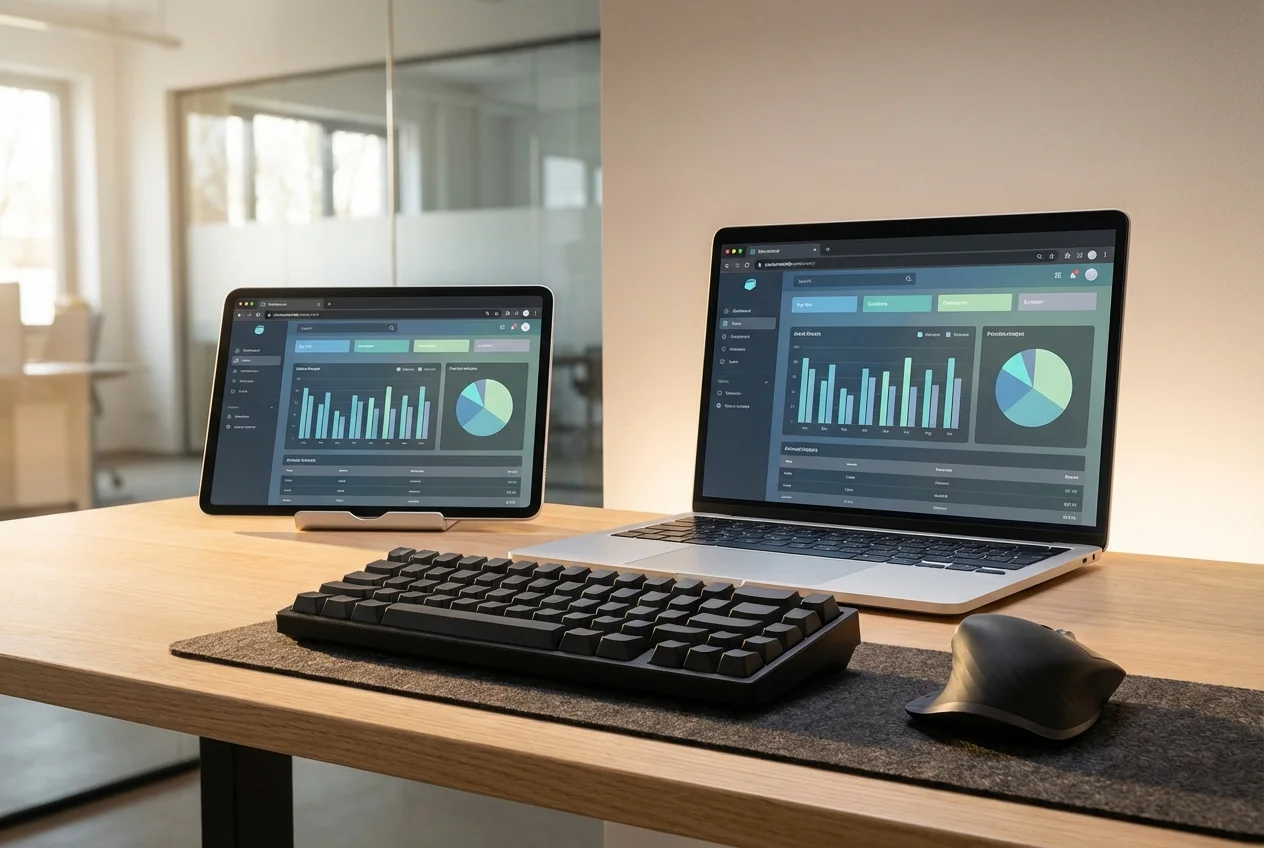 Web App Development
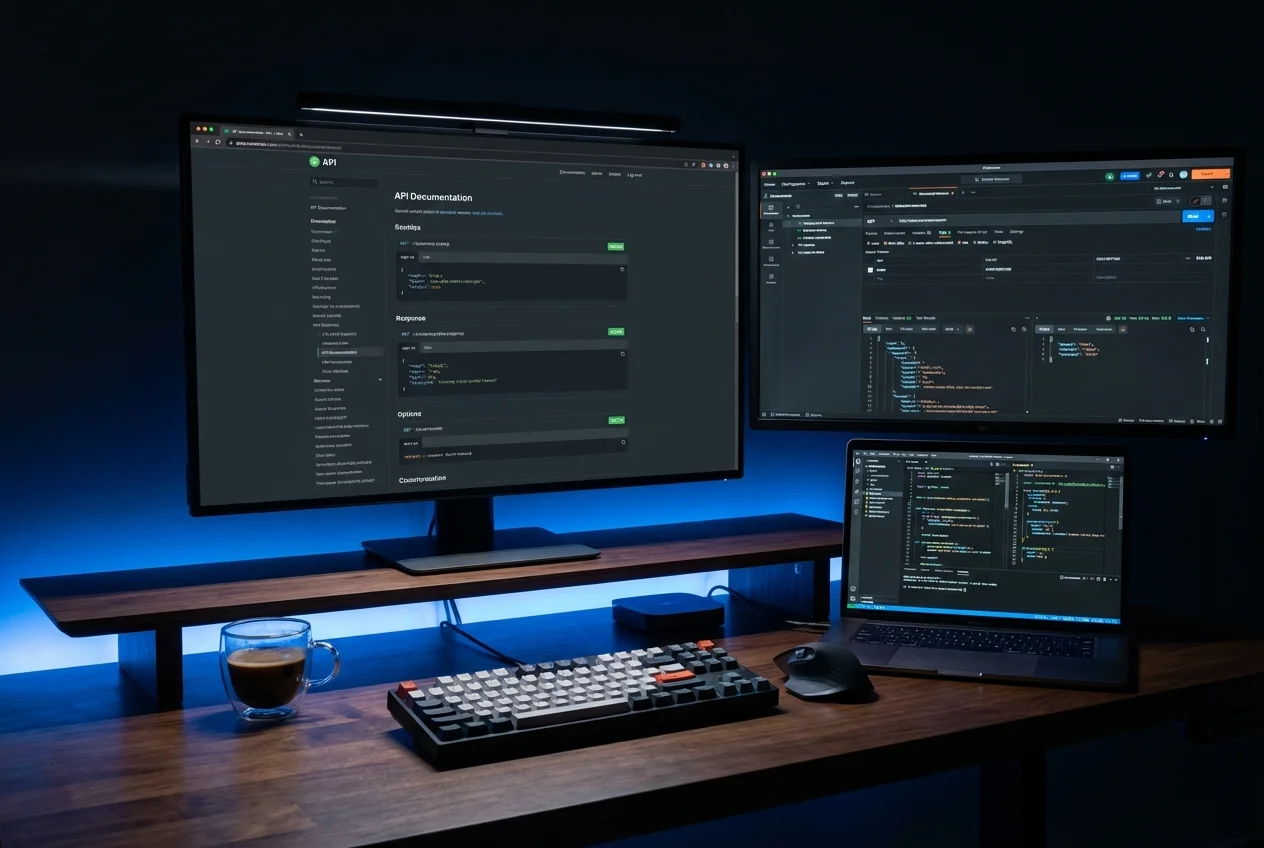 API Development