Development
From Figma Prototype to Production SaaS in 4 Weeks
·10 min read
You have a Figma prototype that represents months of product thinking, user research, and design iteration. Now you need it built. Not in three months. Not as a rough prototype that will need to be rewritten before you can show it to investors. You need production-quality code, delivered fast, that you can launch with and build on.
That is precisely what this service delivers. We take SaaS Figma designs and convert them into production-ready React applications in two to four weeks. The code is not throwaway MVP scaffolding — it is structured, typed, tested, and architected to support the next twelve months of feature development. Because we have learned that the fastest path to market is also the path that does not require a rebuild at Series A.
The startup ecosystem has a persistent myth that MVPs should be built fast and dirty, then rewritten properly once funding arrives. This is expensive advice. Here is what actually happens when you build a throwaway MVP:
Building fast and building well are not opposed. They require a team that has done it enough times to know exactly which architectural decisions to make at MVP stage and which to defer.
A typical Figma-to-MVP engagement delivers the following:
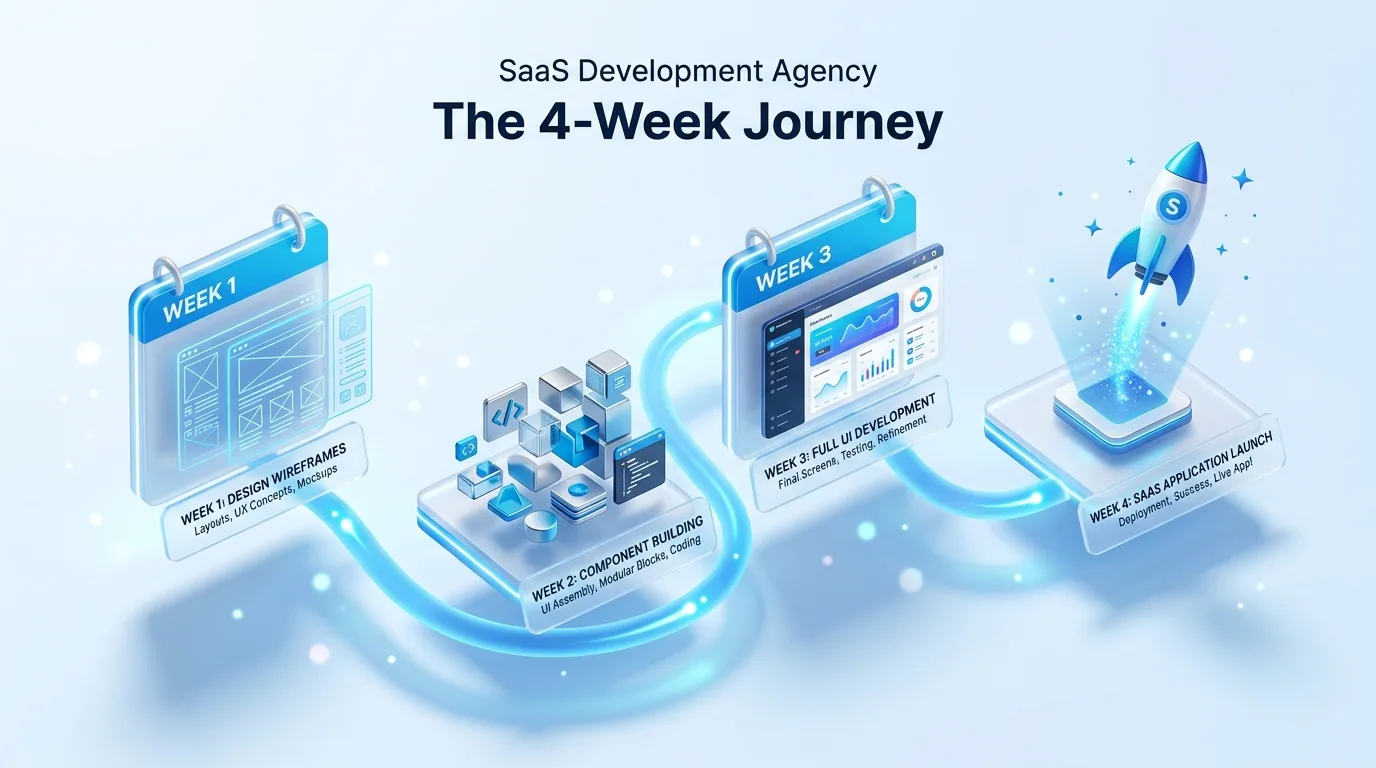
We start with a half-day kickoff with your founder or product lead. We review every screen in the Figma file, identify the core user flows, and flag any gaps in the design — missing states, undefined error handling, unclear responsive behaviour. By the end of day one, we have a prioritised component list and a build plan.
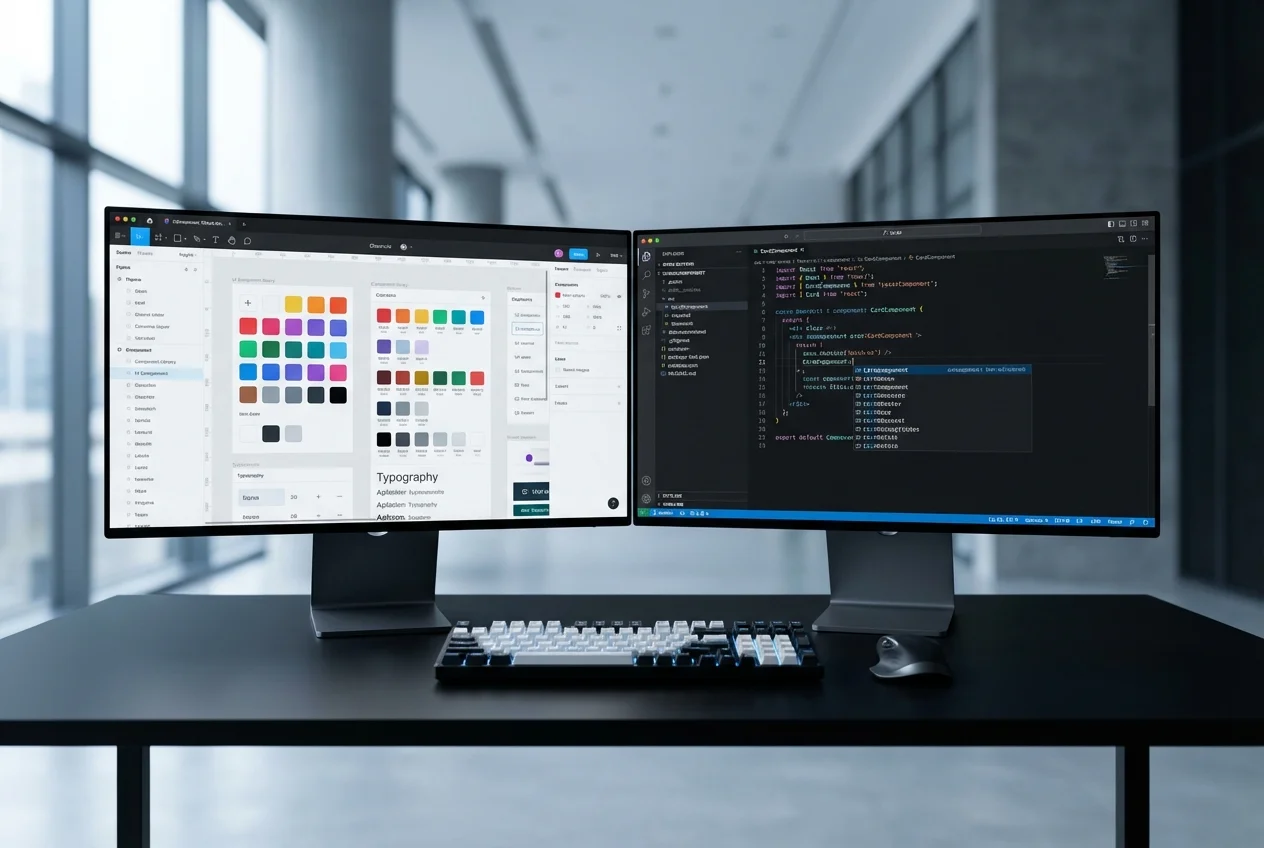
The rest of week one is foundation work: project scaffolding, design token extraction, primitive component development (buttons, inputs, typography, layout primitives), authentication setup, and deployment pipeline configuration. By Friday, you have a deployed staging environment showing the first components.
We build the primary user flows — the screens and interactions that represent your product's core value proposition. For most SaaS MVPs, this is the main dashboard, the primary workflow, and the settings or configuration screens. Each screen is built as composed components matching the Figma design, connected to real or mock API endpoints.
You receive a daily Loom update showing progress and a mid-week demo where you can interact with the staging environment and provide feedback. Design adjustments during this phase are expected and welcomed — this is why we work in close communication with founders rather than disappearing behind a project manager.
Secondary screens are built — onboarding flows, empty states, error pages, notification systems, and any additional features prioritised during week one. Responsive behaviour is refined across breakpoints. Loading states, skeleton screens, and transition animations are added. The product begins to feel complete.
Cross-browser testing, accessibility audit, performance optimisation, and edge case handling. We run through every user flow on multiple devices and browsers. Core Web Vitals are measured and optimised. The staging environment is promoted to production with proper domain configuration, analytics integration, and error monitoring.
The most important quality of our MVP builds is what happens after launch. Because the architecture is sound — proper component composition, typed interfaces, separated concerns, and consistent patterns — adding features post-launch is fast. New screens compose from existing components. New API integrations follow established patterns. Your post-launch velocity does not degrade because there is no technical debt to fight through.
Many of our clients continue working with us after launch for ongoing feature development, and the transition from MVP to growth-stage is seamless because the codebase was built for it from day one.
London founders frequently ask us how we compare to a Figma prototyping service. The distinction matters. A Figma prototyping service creates interactive, clickable prototypes within Figma — invaluable for user testing, investor demos, and design sign-off, but not deployable software. Our service starts where prototyping ends: we take validated Figma designs and convert them into production-quality React applications that real users can actually use.
Many London startups use both in sequence: a design agency or in-house designer for the Figma prototyping phase, followed by us for the Figma-to-code build phase. If your prototyping is complete and you need a London partner to turn those validated designs into a live SaaS product, book a free scoping session and we will walk you through exactly what the build involves.
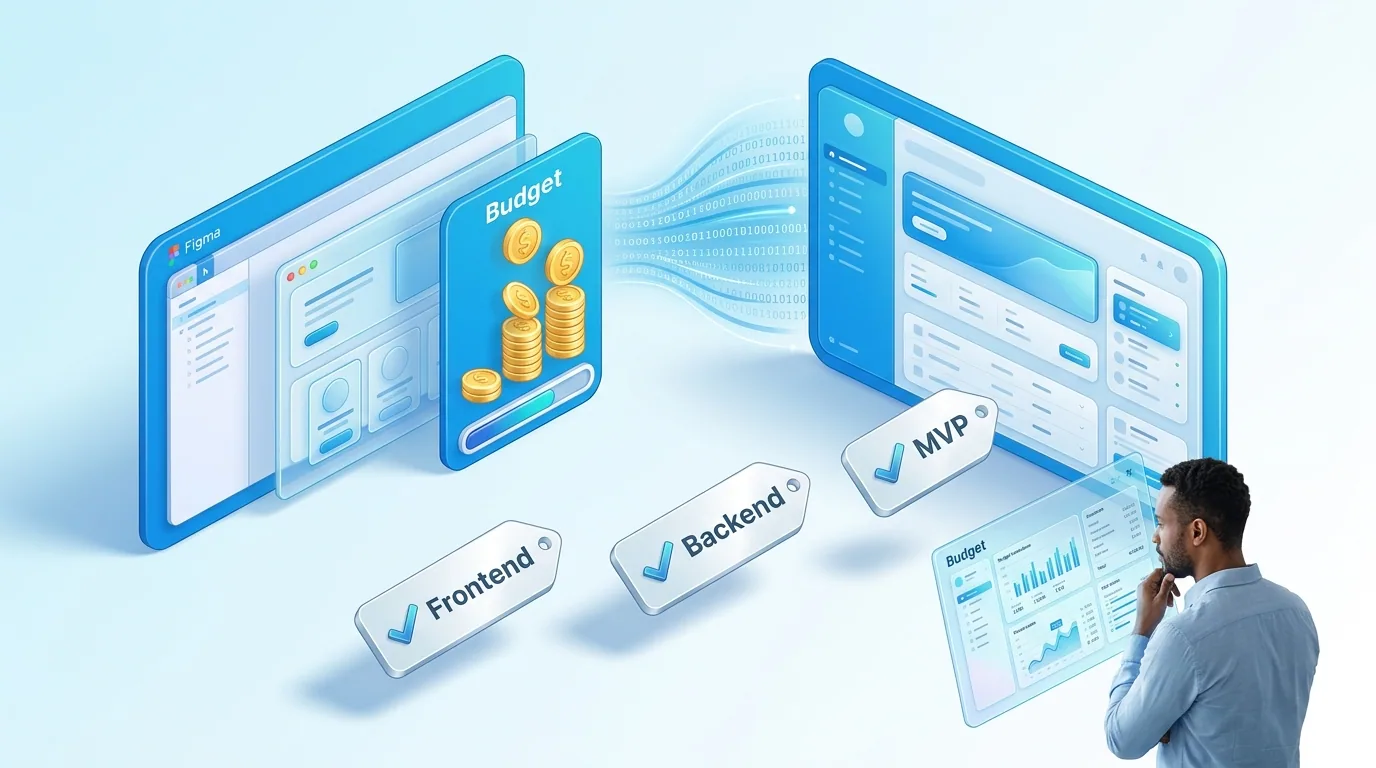
For those still in the prototyping phase, we can advise on how to structure your Figma files for the cleanest possible developer handoff — saving significant time and cost when the build phase begins. Read our guide on Figma to code costs for startups to understand what to budget for both phases.

 Custom SaaS Development
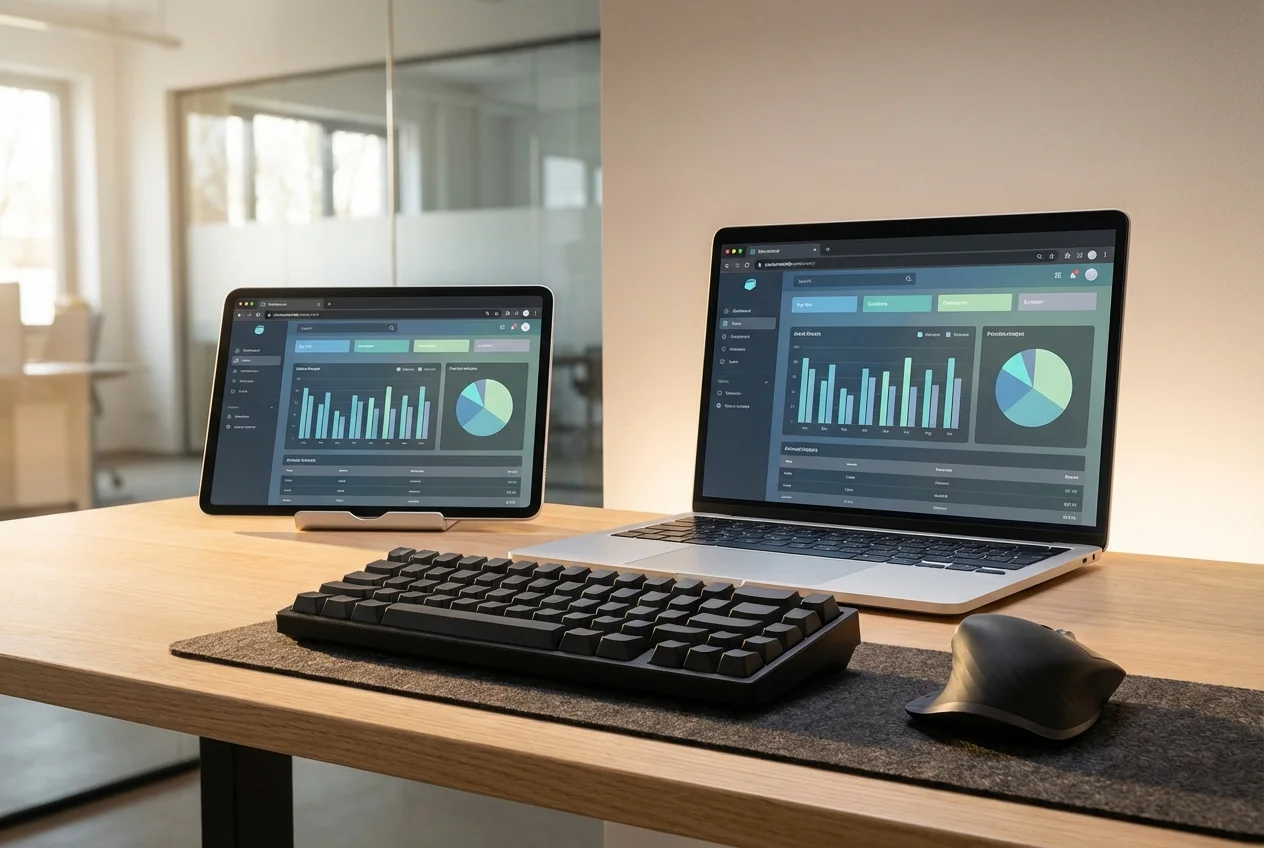 Web App Development
 API Development
 Mobile App Development
 DevOps & Cloud
 Technical Consulting